
A Level Sociology
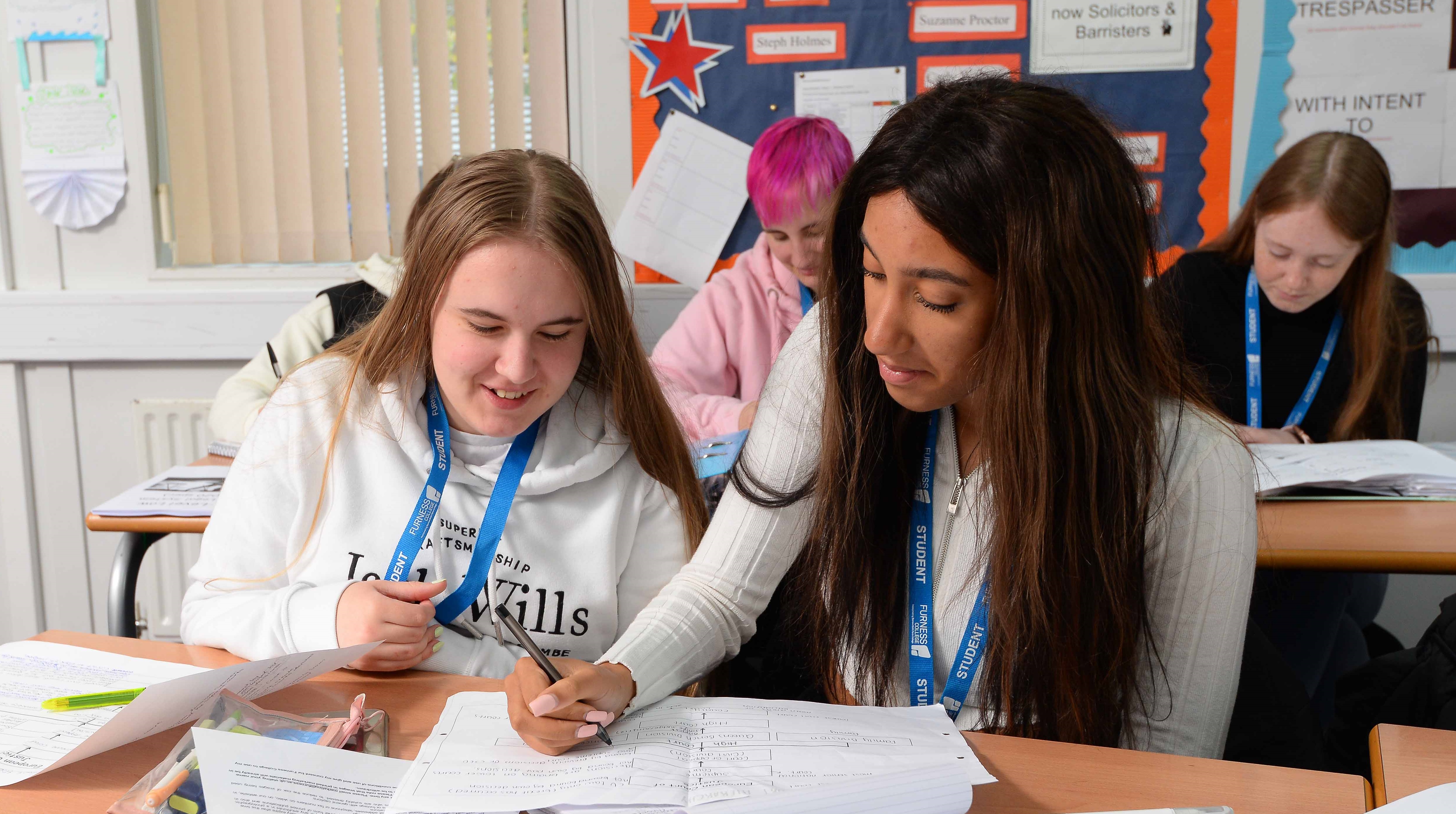
As a student of Sociology, you will learn how society works, and how different theories might be applied to the way the modern world appears to function. You will study how education works in modern societies and investigate critical views on schools, exams and the way students may get ‘labelled’ on their journey through the system.
As well as investigating the ways in which sociologists gather their information – questionnaires, experiments, official documents – you will also consider some of the great and controversial theories such as Marxism, feminism and social conservatism.
Armed with both theory and method you will then be well placed to engage in a deeper study of what ‘family’ means in modern society. You will explore different family types and make observations on the extent to which social policy impacts on the way families function in modern Britain.
In your Sociology lessons you can expect to be challenged and motivated towards developing independent views on what it means to live in a modern society. You’ll never look at your family and school in quite the same way ever again.
Sociology students progress to a range of higher education options and careers and make very good use of the research skills developed in their studies.
Course Content
What Modules will you Study?
You will learn how society works, and how different theories might be applied to the way the modern world appears to function. You will study how education works in modern societies and investigate critical views on schools, exams and the way students may get ‘labelled’ on their journey through the system.As well as investigating the ways in which sociologists gather their information – questionnaires, experiments, official documents – you will also consider some of the great and controversial theories such as Marxism, feminism and social conservatism.
How long is the course?
Full time 2 years.Where will I learn?
The Sixth Form - Rating Lane CampusHow much will this course cost?
Please refer to the College fees policy, for more information please contact Student.Services@furness.ac.ukEntry Requirements
What are the entry requirements?
In addition to minimum expected entry requirements,learners must have:
- Grade 5 in GCSE English Language.
Criteria
- 3 GCSEs Grade 4 or above, plus 2 GCSEs grade 5 or above, must include
English Language or English Literature and maths. - An average GCSE grade of 5.0 or above.
General Entry Criteria
- A minimum of 5 GCSEs grade 4 or above, including English and/or
maths. - An average GCSE grade of 4.0 or above.
If you have Grade 3 in English Language, you may be able to study GCSE
English Language alongside your A Levels. Please note that we cannot offer GCSE
English and GCSE Maths resits as part of the same study programme. If you need
to retake both English Language and Maths, please contact us for advice about
your options.
Our A Level courses may be studied as a programme of three A Level subjects
or as a mixed programme with one or two vocational subjects. Please check
individual course pages for entry requirements.
Honours programme students will have a minimum average GSCE score of 6.0. In
addition to studying three A Level subjects, Honours students will be enrolled
on an Extended Project Qualification (EPQ). The Honours Programme prepares
students for university, supporting development of key skills such as
independent research and report writing.
Progression
What opportunities will this lead to?
An A Level in Sociology can lead to university, or a wide range of jobs such as research, politics or the civil service.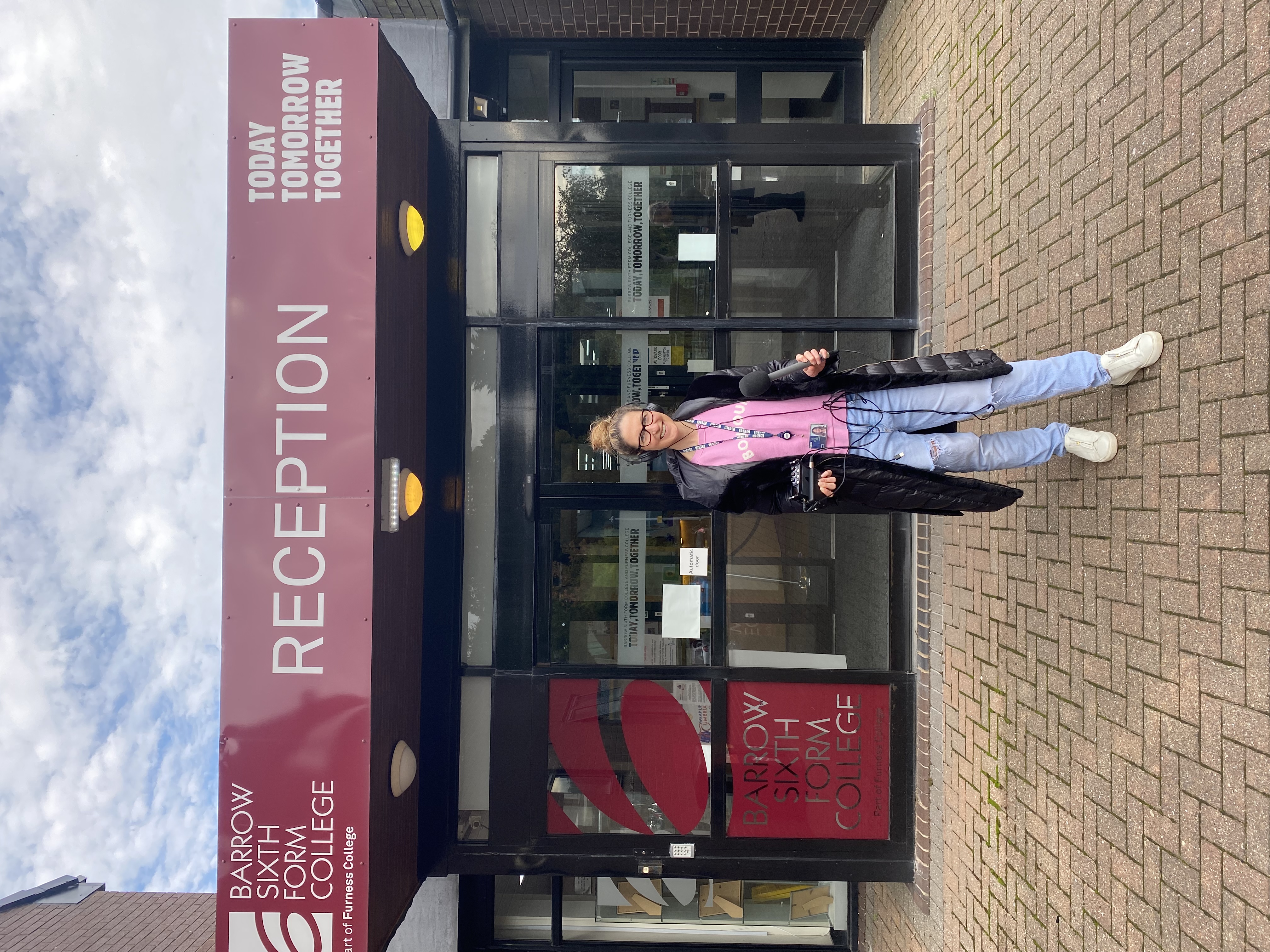
Former sixth form student and BBC Radio 4 Producer Molly Lynch has spoken to us about her time at sixth form saying ‘it’s remarkable how much the knowledge I gained through two years of study still comes in handy in my professional life today’.
Barrow-In-Furness
Cumbria
LA14 2PJ

Barrow-In-Furness
Cumbria
LA13 9LE
Tel: 01229 828 377 (The Sixth Form)
Email: info@furness.ac.uk